

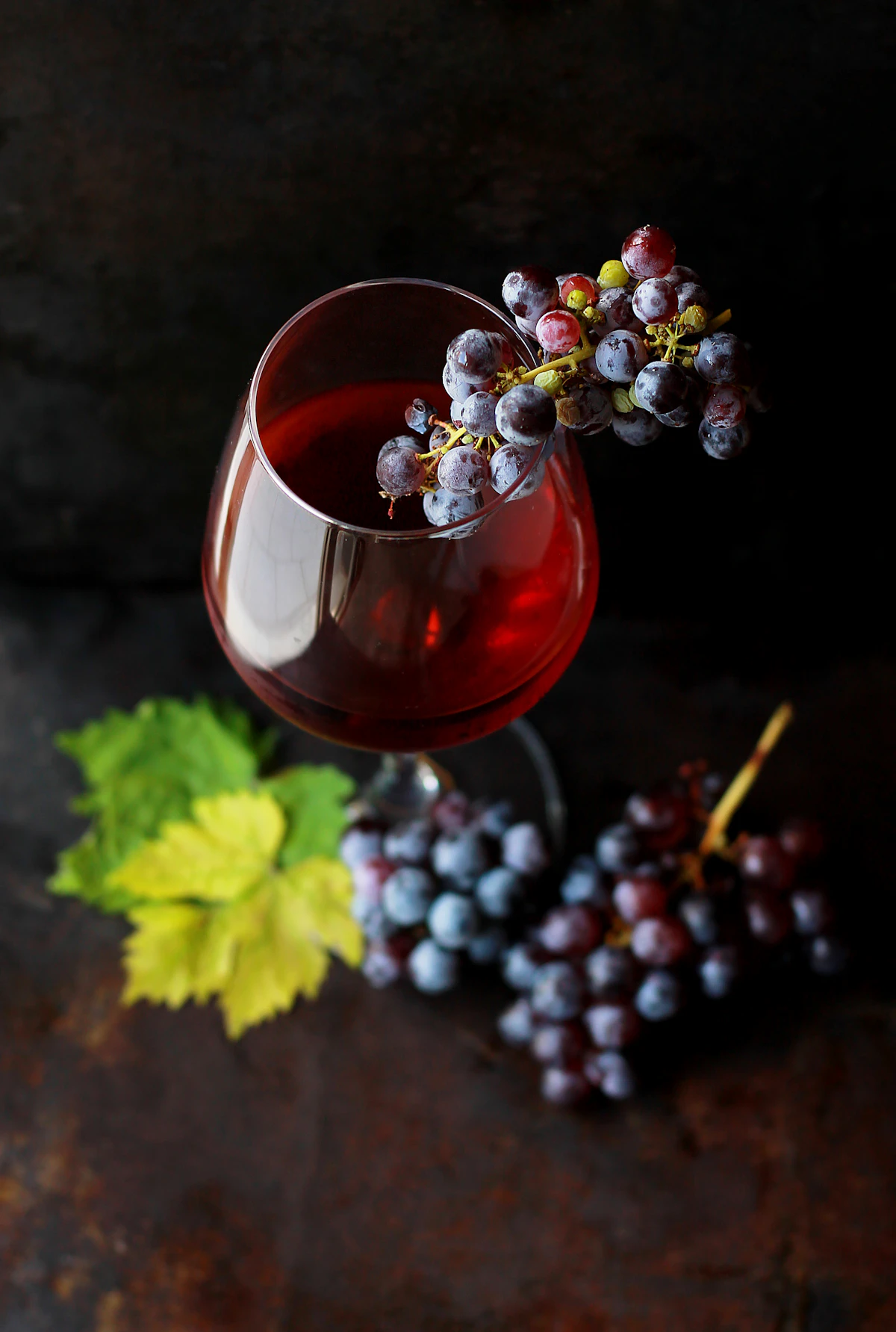
Walk into almost any wine bar in New York City right now and you will encounter the phrase "natural wine." It is on chalkboards, in Instagram bios, and on the lips of servers who are somehow both knowledgeable and enthusiastic about explaining it. But what exactly does natural wine mean, and why has New York become such fertile ground for this movement? Here is everything you need to know — including where to start drinking.
What Is Natural Wine, Actually?
Natural wine is less a regulated category and more a philosophy of making. In practice, it means wine produced with organic or biodynamic farming — no synthetic pesticides or herbicides in the vineyard — fermented with native yeasts rather than commercial lab-cultivated strains, with no or minimal sulfites added at bottling, and without the additives — color adjusters, acidifiers, flavor enhancers — that large commercial wine operations routinely use.
The result is wine that varies more bottle to bottle, sometimes develops unexpected flavors, and occasionally looks hazy or smells funky in ways that conventional wine does not. It is also wine that tends to reflect its place of origin more clearly, since you are removing the homogenizing effect of the winemaking laboratory. Critics point to inconsistency; advocates point to authenticity. Both are right, which is why the best natural wine bars in New York make it their business to be genuinely selective about what they pour.
Common styles you will encounter: orange wine (white grapes macerated on their skins), pét-nat (pétillant naturel — lightly sparkling wine bottled before fermentation finishes), and low-sulfite reds that tend to be lighter and more transparent in style than their conventional counterparts. None of these are inherently better or worse. They are just different, and increasingly, they are what New York's most serious drinkers are choosing.
Pascaline Lepeltier and the Art of Curation
No one in New York has done more to shape how serious drinkers understand natural wine than Pascaline Lepeltier, the Master Sommelier widely described as a natural wine evangelist. At Chambers, her program includes over 1,500 bottles, with more than 90% sourced from biodynamic or no- to low-intervention producers. As Vogue noted in their guide to NYC's best natural wine bars, Lepeltier has created one of the most remarkable wine programs in the country — one that takes low-intervention winemaking as seriously as a three-Michelin-star kitchen takes its ingredients. A conversation with anyone on the floor there will reframe how you think about what is in your glass.
Where to Drink Natural Wine in NYC Right Now
Skin Contact (Lower East Side)
Skin Contact is as close to a natural wine temple as New York has outside of a full restaurant program. The dimly lit interior — gem-colored walls, exposed brick — creates exactly the atmosphere you want for exploring wines that reward a little patience. The focus on skin-contact whites and minimal-intervention reds means the list skews adventurous, but the staff are there to guide you rather than leave you guessing. This is the right first stop for anyone who wants to understand what the natural wine conversation is genuinely about.
The Ten Bells (Lower East Side)
A Lower East Side fixture with a list that has been serious about natural wine longer than almost anywhere else in the city. The $1 oyster happy hour until 7pm is a perfect excuse to arrive early and work through a few pours while the room fills up. The wine list changes constantly, which means regulars come back to see what is new rather than to reorder the same thing. The tin-ceilinged room has a warmth that is genuinely hard to manufacture.
Rude Mouth
Natural wine bars can develop a reputation for seriousness that tips into unfriendliness. Rude Mouth is the antidote: an excellent list of small-producer natural wines served in an environment that actively wants you to relax and enjoy them. The back patio is a genuine asset in warmer months. This is the place to bring a curious friend who is new to natural wine and might otherwise feel intimidated. No one will make you feel like you asked the wrong question.
Place des Fêtes (Clinton Hill, Brooklyn)
From the team behind Oxalis in Clinton Hill, Place des Fêtes approaches natural wine through a particular lens of Spanish and French producers, with sherries and vermouths alongside more conventional pours. It is a list that reveals how broad the natural wine world really is — not just pét-nats and orange wines, but a whole spectrum of traditions being practiced with minimal intervention.
A Note on Les Vins Pirouettes
One producer you are likely to encounter across NYC's natural wine bars is Les Vins Pirouettes, the Alsatian label whose bottles — like the bright citrusy Orange Cubique Pierre — have become reliable go-tos for bars that want to offer natural wine without alienating newer drinkers. If you see it on a list, order it. It is a genuinely useful and delicious introduction to what Alsatian natural winemaking can taste like at its accessible best.
What to Ask For When You Are New to Natural Wine
Walking into a natural wine bar for the first time can feel opaque, especially when the list includes names you have never heard from regions you did not know made wine. A few questions that will get you exactly where you want to go:
- "What do you have that is a good starting point?" Any good natural wine bar staffer has this answer ready. It signals that you are curious and open, and you will get a recommendation tailored to your palate rather than to someone else's.
- "What is the difference between this and conventional wine?" Ask this genuinely and you will get a real conversation. Natural wine people love talking about it when they sense you actually want to learn.
- "What is something you are excited about right now?" This is the question that unlocks the best pours. Staff enthusiasm is a reliable signal that something genuinely interesting is in the bottle.
- "Is this going to be funky?" Funky is a real phenomenon in natural wine — barnyard notes, volatile acidity, cloudiness, a particular wildness on the palate. It is a legitimate style, and it is not for everyone, especially not as an entry point. Ask upfront, and a good bartender will steer you accordingly.
- "Do you have anything lighter and more approachable?" There are natural wines that taste like conventional wine with more energy. Starting there and working toward the weirder end of the spectrum is a completely valid approach.
The natural wine world in New York is large, opinionated, and genuinely exciting. Walk in, ask questions, and let the glass tell the rest of the story. The city's wine community is built on welcoming curious drinkers — you will not be the first person to walk in not knowing what to order, and you will not be the last.